
Runagaldr score

A wildly melodic speed/power metal record where absurd technique, progressive detours and a 120-order concept never get in the way of the hooks.
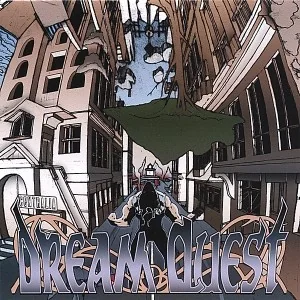
Centralia is only five songs and about 33 minutes long, but Dream Quest crammed more ideas into it than many bands manage in twice the runtime. The Winnipeg trio called their style “Adventure Metal,” essentially power metal without the usual keyboards-and-dragons baggage, but speed metal is the engine here. Most of the record moves quickly, often extremely quickly, while progressive structures, acoustic passages, jazzier detours, harmonized guitars and almost pop-like hooks keep pulling the songs in different directions.
The central concept is just as unusual. The five tracks were deliberately written so they can be played in any order, producing 120 possible sequences that reframe the same protagonist and events in different ways. I have always found that fascinating, even though I have never sat down and seriously followed one alternate permutation from beginning to end. The more important point is that Centralia does not need the gimmick to work. Ignore the concept completely, play the CD in its normal order, and these are still five remarkably strong songs.
I first found Dream Quest through “The Fuse that Burned Too Fast” on Metal Crusade Vol. XIV, the sampler bundled with the June 2007 issue of German magazine HEAVY. I loved the song enough to immediately go looking for more from the band. That search also taught me that Dream Quest is the title of a 2000 Jenna Jameson fantasy adult film. Finding that while researching a faith-oriented metal band was not quite the adventure I had expected.
“Forgiv’r” establishes a lot of what makes the album work. It opens with a guitar solo, settles into an upbeat and extremely melodic song, then keeps adding little details rather than simply repeating itself. A short guitar-and-bass duel flashes by after the chorus, and the extended solo section is full of melodic shred. That is an important distinction with Dream Quest: Mark Doerksen can obviously play at a ridiculous level, but the lead work stays memorable. Even when he is shredding, there are phrases I can hum afterward. Technique serves the song rather than replacing it.
“The Fuse that Burned Too Fast” is still one of my favorites. An emotional lead guitar intro suddenly gives way to frantic sweep picking over double-bass drums, and the song spends the rest of its runtime bouncing between galloping mid-tempo verses and genuinely fast sections. Sweep-picked flourishes keep appearing between parts, while Phil Janzen raises the intensity every time a section returns. By the end he is hitting those huge high-register heavy-metal screams in the Rob Halford tradition, including one sustained scream leading into the final chorus that still sounds absurd. Another melodic solo, a short bass spotlight and the return of the opening sweep-picked idea at the end make the track feel carefully constructed despite all the chaos. More importantly, the whole thing is catchy. Not just the chorus. Almost everything in it sticks.
Then there is “Magnified,” which is the clearest reason Progressive Metal belongs in the genre list. It is nearly eleven minutes long and earns every one of them. A ridiculously catchy bass riff starts the song while guitars slowly fade in and the drums build underneath, and Dream Quest takes almost two minutes before the vocals even arrive. Calm verses give way to huge guitar chords and acoustic passages, then those acoustic ideas shift key and develop instead of simply repeating.
About halfway through, “Magnified” turns into an extended instrumental playground. There is jazzy, Dream Theater-like progressive riffing, a constantly audible bass rumbling underneath, multiple guitar solos, a bluesy/jazz-flavored clean section, and a clean solo that eventually hands the song back to full-on metal shredding. The arrangement then winds down far enough to give Janzen an extended vocal spotlight before everything comes roaring back. The final stretch is one of my favorite parts of the album: sustained high screams, wild guitar solos, relentless double bass and even a drum solo all pile on top of each other without losing control. It is excessive, but never pointless.
“Sonar con Aventura” was the surprise of this deliberate listen. For years I tended to mentally check out a little after “Magnified,” so I remembered the last two songs less clearly. That was apparently my mistake. “Sonar con Aventura” opens with another riff that would not sound out of place on a Dream Theater record, builds tension, then drops into a clean-guitar verse with plenty of room for Janzen’s melodic voice. The chorus is outrageously catchy, almost poppy by progressive-metal standards. A quieter bridge brings in clean guitars with a fuzzy, chorus-heavy texture before another solo, and the song eventually winds down through an extended clean passage with soft, choir-like vocals. On this listen it went from “the song after Magnified” to one of my favorites on the album.
Closer “Eenie, Meeny, Miny, Die!” is simply strange in a way I enjoy. Its intro keeps building without clearly revealing where it is headed, eventually landing on layered textures and wordless vocals before dropping into another upbeat verse that recalls “Forgiv’r.” The bass gets especially active and unpredictable, there is another fun solo, and then the song begins to come apart. Not in the sense that the writing fails, but literally: the arrangement gradually deconstructs itself until the album ends by dismantling its own final song.
The musicianship is exceptional across the record, but the arrangements impress me just as much. Chord choices and voicings often feel more adventurous than straightforward speed or power metal, and repeated sections regularly come back with different layers, heavier guitars, altered harmonies or increased vocal intensity. Doerksen is the only credited guitarist, yet harmonized guitar lines appear throughout the album through layered parts. Janzen’s bass is not merely present but clearly audible, and often active enough to become part of the hook. All three members contribute vocals in some capacity, which also gives the band opportunities for excellent backing harmonies.
The production itself is simply good. It does not have some distinctive sonic character that demands attention, but it is clear, balanced and perfectly suited to the material. Considering how much is happening in these songs, the fact that the bass, layered guitars, drums and vocal harmonies remain easy to follow is probably the highest compliment I can give it.
Dream Quest were strongly faith-oriented, although Centralia handles that more subtly than their earlier material. Its story is built around morality, guilt, choice and forgiveness rather than direct preaching, which fits especially well with the album’s rearrangeable narrative. Depending on the sequence, the same events can change the moral shape of the protagonist.
At 33 minutes, Centralia is undeniably short for an album, although it makes more sense knowing it was originally conceived as an EP. I also cannot point to anything on the record that I would actually change. Even without the 120-order concept, the songs are melodic, technically outrageous, carefully arranged and ridiculously memorable. My only lingering frustration is that Dream Quest never followed it with another metal release. Maybe that unfinished feeling is the tiny bit of hesitation keeping me from a 10.
9.5/10.
You might also like
Similar releases based on genres and musical traits.
Vortex Divinium
A wildly technical but unexpectedly catchy debut single that lets Christian Münzner go off without losing sight of the song.